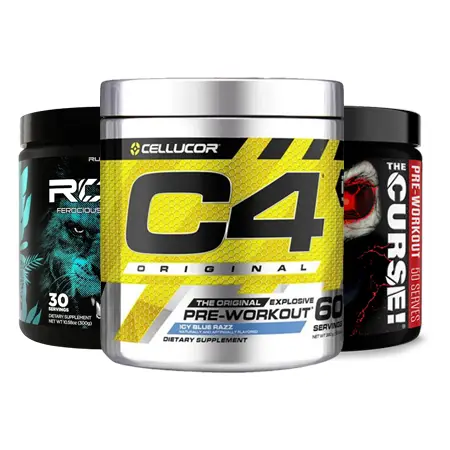
In today’s fast-paced lifestyle, maintaining a balanced diet, staying active, and getting enough rest can sometimes be challenging. While a healthy diet should always be the foundation of good nutrition, body supplements can help provide additional nutrients when your regular diet does not meet your needs.
From protein powders and multivitamins to omega-3, creatine, and other nutritional supplements, the right products can support different fitness and wellness goals when used appropriately.
What Are Body Supplements?
Body supplements are products designed to provide additional nutrients to the body. They may contain proteins, vitamins, minerals, amino acids, fatty acids, or other nutritional ingredients.
Supplements are available in many forms, including:
- Protein powders and shakes
- Multivitamins and minerals
- Creatine supplements
- Omega-3 and fish oil
- Amino acids
- Pre-workout supplements
- Electrolytes
- Weight-management supplements
The type of supplement someone needs depends on their diet, lifestyle, activity level, and individual goals.
Why Are Body Supplements Important?
1. Help Meet Nutritional Needs
A balanced diet provides most of the nutrients your body needs. However, busy schedules, dietary restrictions, limited food choices, or increased nutritional requirements can sometimes make it difficult to get everything from food alone.
Supplements can help fill specific nutritional gaps when needed.
2. Support Muscle Growth and Recovery
Protein is essential for building and repairing muscle tissue. People who regularly participate in strength training or other forms of exercise may have higher protein requirements.
Protein supplements can offer a convenient way to increase daily protein intake, particularly after workouts or when getting enough protein through meals is difficult.
3. Support Workout Performance
Certain supplements are commonly used by athletes and fitness enthusiasts to support exercise performance. For example, creatine is widely researched for its role in supporting strength and high-intensity exercise performance.
However, supplements work best as part of a complete fitness routine that includes proper training, nutrition, hydration, and recovery.
4. Promote Better Recovery
Recovery is an important part of any fitness program. Adequate protein, fluids, electrolytes, carbohydrates, and other nutrients can contribute to the body’s normal recovery processes.
Using appropriate nutritional supplements alongside a balanced diet may make it easier to meet these nutritional requirements.
5. Convenient Nutrition for Busy Lifestyles
Preparing nutritious meals every day can be difficult for people with demanding work schedules, frequent travel, or active lifestyles.
A protein shake, electrolyte drink, or other suitable supplement can provide a convenient nutritional option when used appropriately.
6. Support Specific Health and Fitness Goals
Different supplements are designed for different purposes. Someone focused on muscle development may consider protein or creatine, while another person may be interested in supplements that help them meet specific vitamin or mineral requirements.
The important point is to choose supplements based on an actual nutritional need or clearly defined goal rather than simply taking products because they are popular.
Popular Types of Body Supplements
Protein Supplements
Protein powders are among the most popular fitness supplements. They can make it easier to increase protein intake and are commonly used by people involved in resistance training and other physical activities.
Creatine
Creatine is a well-studied supplement commonly used by people who participate in strength and high-intensity training. It can support improvements in exercise capacity and training performance.
Multivitamins
Multivitamins contain combinations of vitamins and minerals. They may be useful in certain situations where dietary intake is insufficient, although they should not be considered a replacement for a nutritious diet.
Omega-3 Supplements
Omega-3 supplements, such as fish oil, provide fatty acids including EPA and DHA. They are particularly relevant for people who do not regularly consume foods rich in omega-3 fatty acids.
Electrolytes
Electrolytes such as sodium and potassium play important roles in fluid balance and normal muscle and nerve function. Electrolyte products can be particularly useful in situations involving significant sweating or prolonged physical activity.
Supplements Should Not Replace a Healthy Diet
One of the most important things to understand is that supplements are exactly what their name suggests: supplements.
They should complement a nutritious diet rather than replace whole foods. Fruits, vegetables, whole grains, lean proteins, healthy fats, and adequate water provide a combination of nutrients and other beneficial components that supplements cannot fully replicate.
A strong foundation should include:
Balanced nutrition + regular exercise + adequate sleep + proper hydration + appropriate supplementation
How to Choose the Right Supplement
With thousands of products available, choosing a supplement can be confusing. Before purchasing one, consider:
- What is your specific goal?
- Do you actually need the supplement?
- What are the ingredients and serving sizes?
- Is the product from a reputable manufacturer?
- Does the product provide clear labeling?
- Are there ingredients you should avoid?
- Are you taking any medications that could interact with it?
It is also important to avoid assuming that a more expensive or higher-dose product is automatically better.
Quality and Authenticity Matter
When purchasing supplements, product quality and authenticity should be a priority. Choose products from reputable brands and verified vendors, check the packaging and labeling, and be cautious of products making unrealistic promises.
A good supplement should be part of a sensible nutrition and fitness strategy—not a shortcut to results.
Final Thoughts
Body supplements can play a useful role in supporting nutrition, exercise performance, muscle development, recovery, and overall wellness. However, their benefits depend on choosing the right product for the right purpose and using it responsibly.
The best approach is to build your lifestyle around a balanced diet, consistent exercise, sufficient sleep, and good hydration. Once those foundations are in place, appropriate supplements can help complement your efforts and make it easier to achieve your health and fitness goals.
Remember: supplements can support your journey, but consistency, nutrition, training, and healthy lifestyle habits are what build lasting results.